Thursday, 28 April 2016
Best Time to Visit Meghalaya
Visit Meghalaya any time of the year except the rainy season, which is June to September. This is, after all, one of the wettest places on earth!Climate
There are only two seasons in Meghalaya - winter and monsoon. Cherrapunji, one of its towns, gets an annual mean rainfall of 430 inches. Once it had 788 inches of rainfall! The monsoon season stretches from June right up to October. The temperatures in this hill state range between 10° and 30° Celsius, and even the months of April and May are pleasant. Its temperate weather, among other things, will delight you.Tuesday, 15 December 2015



Tuesday, 8 December 2015

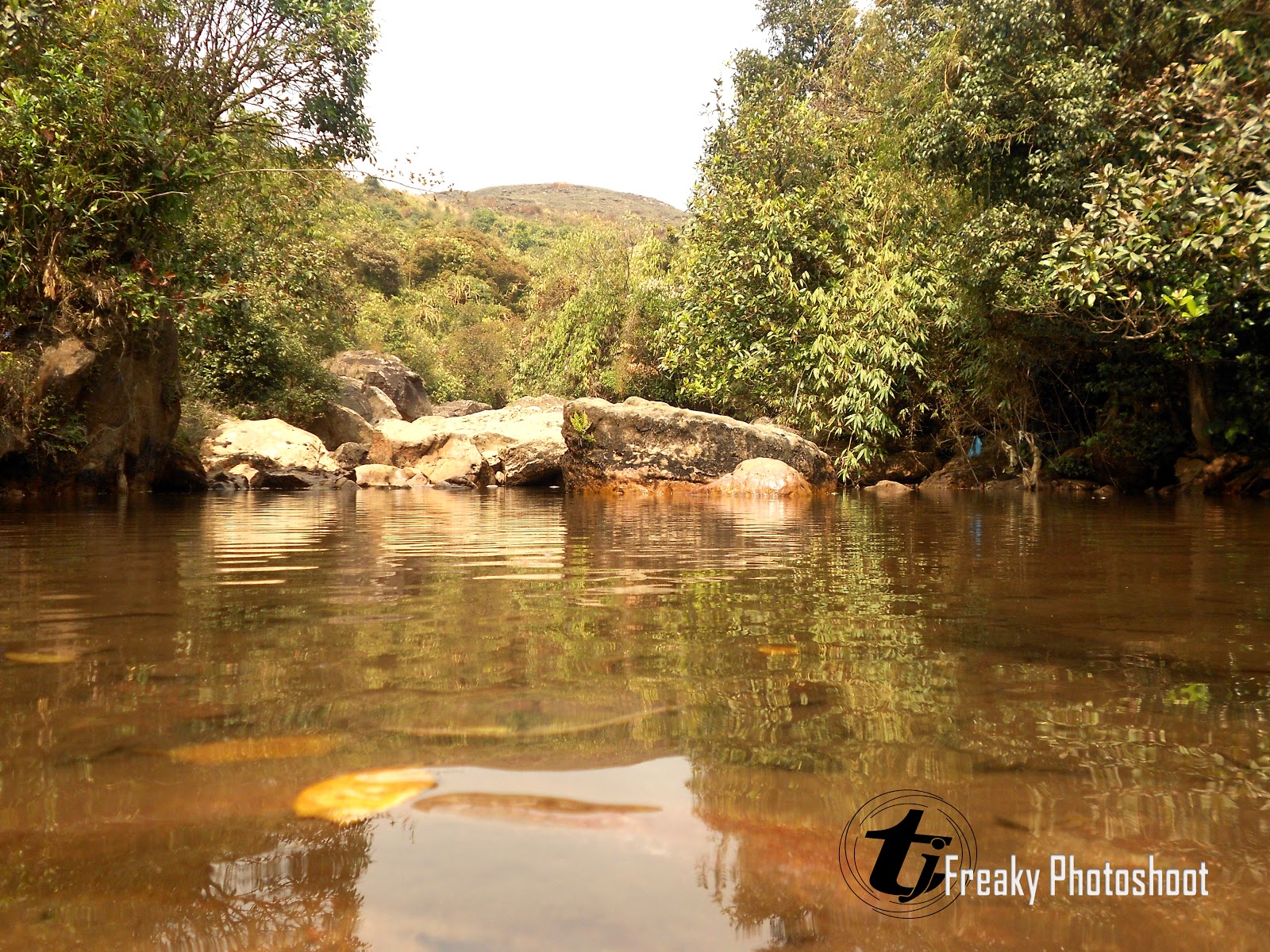
Located : Mawlynnong, Meghalaya, Shillong.
Mawlynnong is a village in the East Khasi Hills district of the Meghalaya state, India. Mawlynnong is famous for its matrilineal society as well as having been dubbed Asia's cleanest village.
Mawlynnong is located 90 km from Shillong, along the India-Bangladesh border

Saturday, 5 December 2015

""""""""""""""""""""""""""
The temple was built by Rani Rashmoni, a philanthropist and a devotee of Kali in_31 May 1855.
The temple is famous for its association with Ramakrishna, a mystic of 19th Century Bengal.
The temple compound, apart from the nine-spired main temple, contains a large courtyard surrounding the temple, with rooms along the boundary walls.
There are twelve shrines dedicated to Shiva—Kali's companion—along the riverfront, a temple to Radha-Krishna, a bathing ghat on the river, a shrine dedicated to Rani Rashmoni. 'Nahavat-Khana', the chamber in the northwestern corner just beyond the last of the Shiva temples, is where Ramakrishna spent a considerable part of his life.

Commissioned in 1943, the bridge was originally named the New Howrah Bridge, because it replaced a pontoon bridge at the same location linking the two cities of Howrah and Kolkata (Calcutta). On 14 June 1965 it was renamed
Rabindra Setu, after the great Bengali poet Rabindranath Tagore, who was the first Indian and Asian Nobel laureate.
It is still popularly known as the Howrah Bridge.
Subscribe to:
Posts (Atom)